How Does Liquid Dosage Deviation Affect the Quality of a Product?
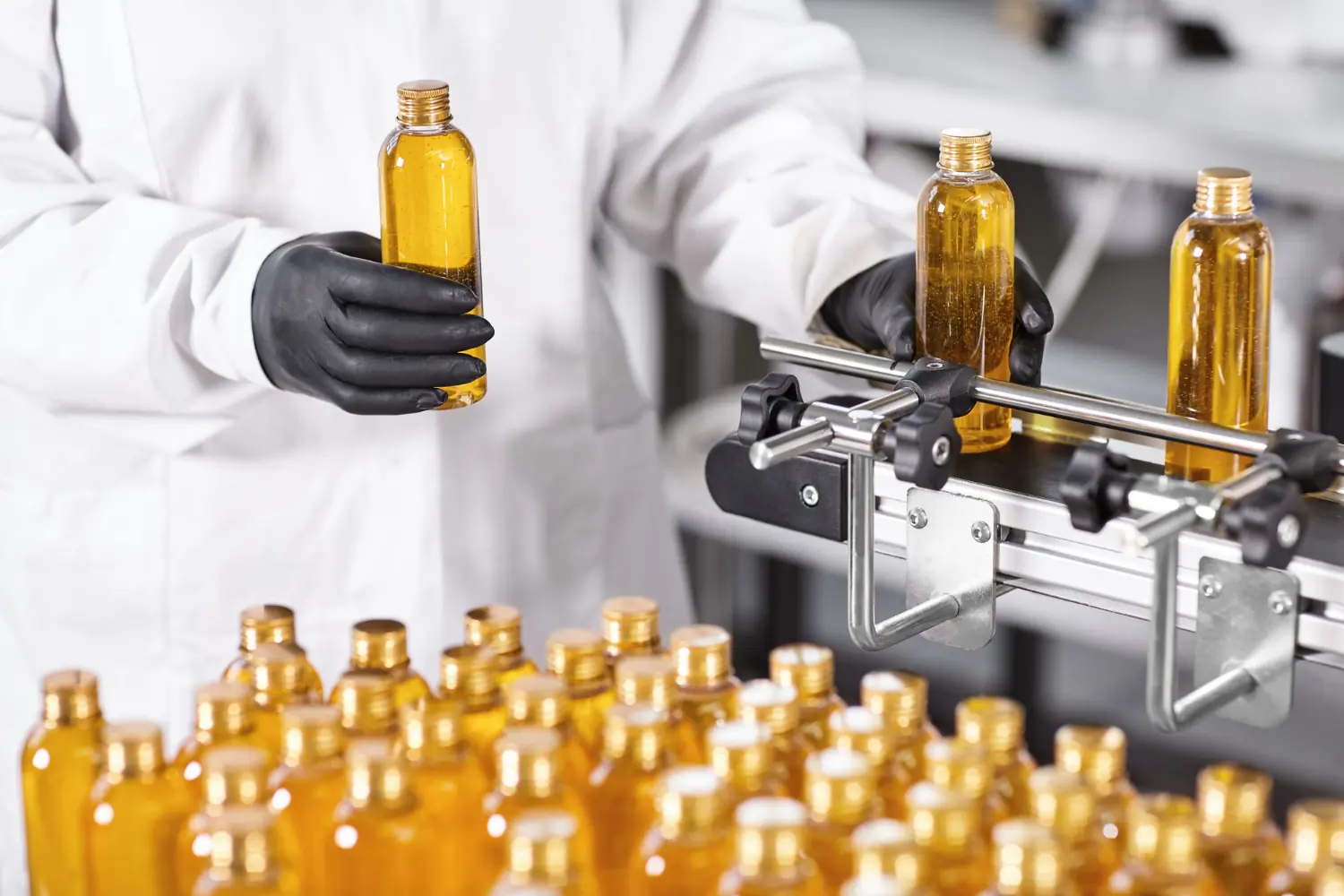
Liquid dosage deviation is an unacceptable error within the critical liquid measurement process and impacts product quality in multiple ways. Under-dosing in conventional systems disrupts the product/propellant ratio, leading to spray weakening, distortion of the spray pattern, or the product running out before the can is empty. On the other hand, over-dosing reduces the empty headspace inside the can. Furthermore, over-dosing causes raw material wastage, while under-dosing creates issues in terms of cost and efficiency.
What Exactly is the Acceptable Range the System Tolerates or Rejects?
The acceptable range is usually determined as a small percentage of the net filling volume. These limits are set to comply with legal metrology requirements and ensure the product’s technical stability, and they are vital for handling out-of-range dose. This range represents the safe zone where the product is accepted, while products falling outside the tolerance—meaning over-filled or under-filled—are marked as the rejection zone. This precise range forms the basis of aerosol filling fault detection and is continuously verified by control systems.
How Quickly is a Defective Can Detected and Separated from the Line?
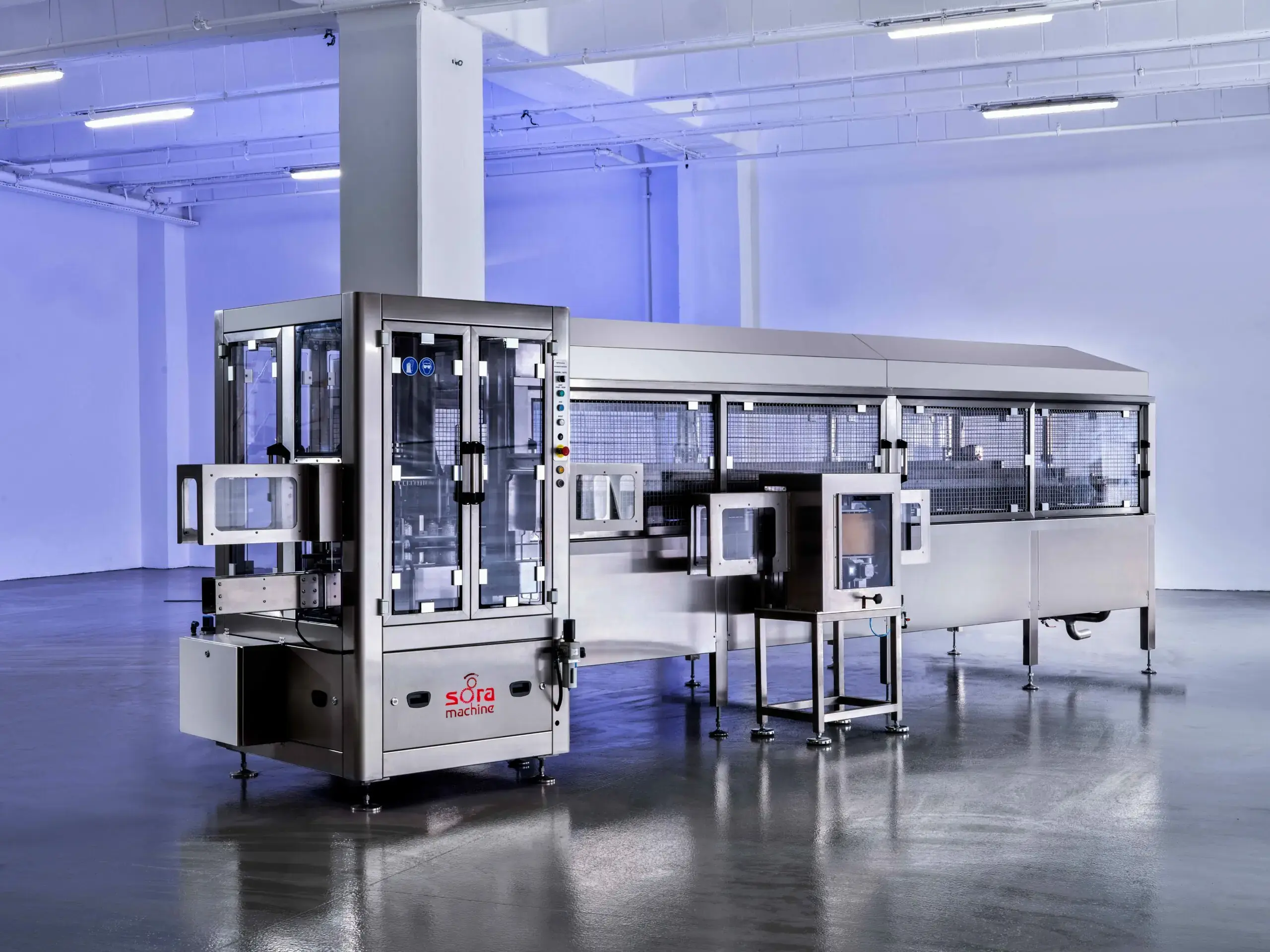
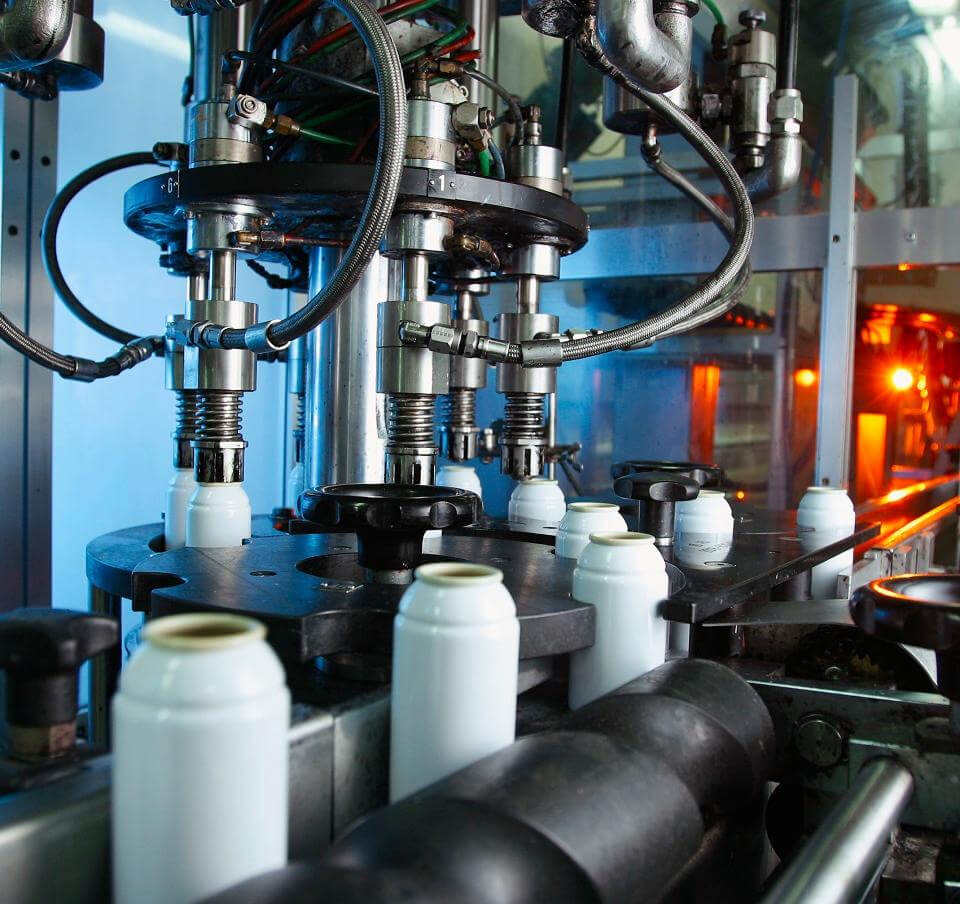
The function of the automatic rejection system performs a two-phase control to ensure flawless quality assurance on high-speed production lines. The system first measures the can’s weight at high-precision weighing stations immediately following liquid filling to verify the correct amount of liquid. This initial control ensures that faulty products are separated from the line before the product moves to the next station, meaning before gas filling takes place. After gas filling, the same precise weighing mechanism is engaged; this time, the system measures the final product weight to check whether the correct amount of gas filling has been achieved. When the software detects that the weight deviation has exceeded the tolerance range, the defective can is instantly separated from the main line and directed to a collection bin. This process maximizes the system’s efficiency by performing rejection at the point closest to the origin without interrupting the line’s nominal speed.
What is the Long-Term Impact of Dose Control on Your Brand Reputation?
Dose control is the foundation not only of production efficiency but also of brand reputation. Reliable performance in the long term is only achieved through consistent quality control. Consumers expect to receive the exact quantity written on the label; a product that consistently under-fills quickly leads to a loss of trust and negative online reviews. Therefore, consistent dose control directly builds customer loyalty and the brand’s standing in the industry.