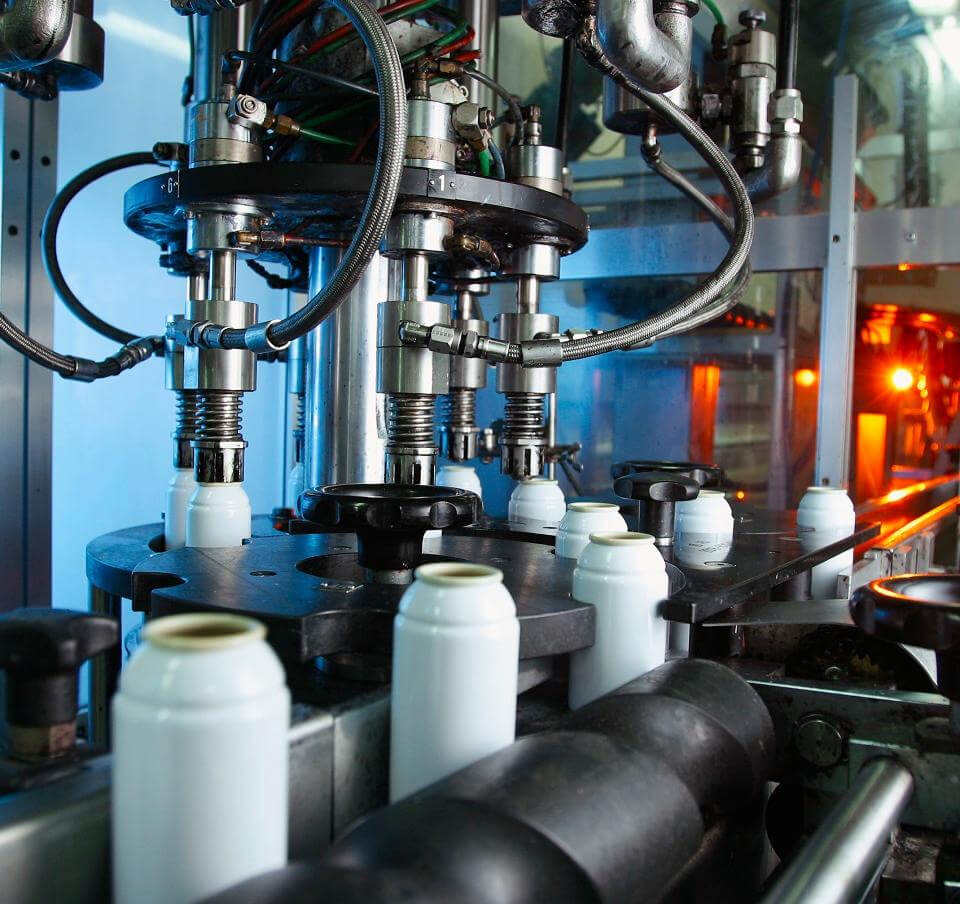
How Does Incorrect Valve Position Compromise Product Functionality?
Incorrect valve position directly triggers the risk of malfunction and fundamentally compromises product functionality. When the valve is not properly clipped or is placed crookedly, it disrupts the system’s air intake or sealing integrity. The most critical outcome is the product becoming completely unusable.
Why is Valve Position More Vital in the BOV Format Compared to Conventional?
The critical importance of valve placement stems from the complex structure of the BOV system. While valve leakage in a conventional system creates chemical leakage and a safety risk, the valve in a BOV system is the basic barrier that isolates the product bag from the propellant gas in the can. Any defect in the valve or gasket causes the propellant gas to leak into the bag. This leakage disrupts the product and gas separation, which is the fundamental advantage of BOV.
What Specific Faults Does the Valve Position Verification Mechanism Detect?
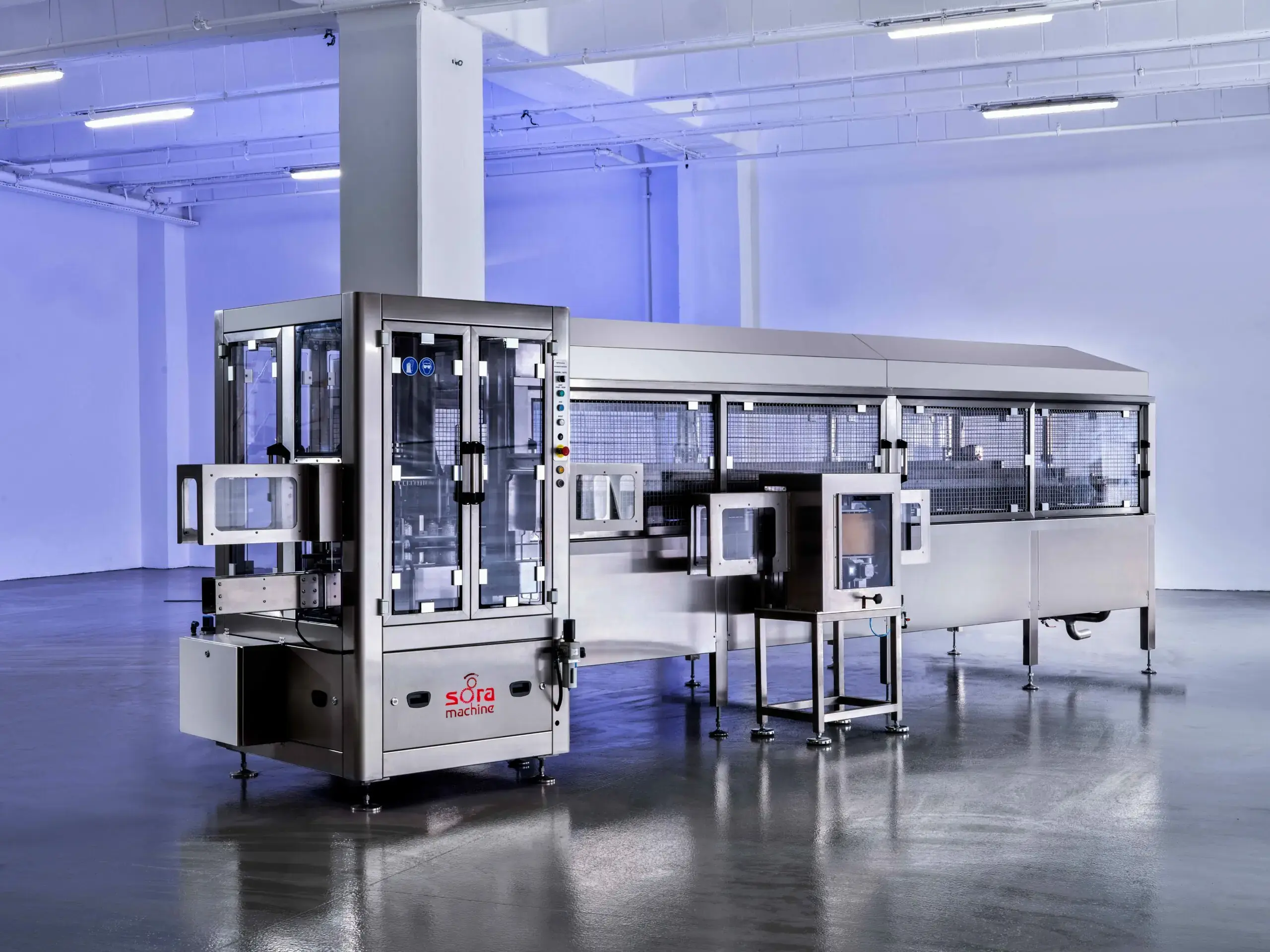
The necessity for valve position verification aims to find basic defects. The mechanism checks for the valve not being placed. Due to the vital importance of valve placement, these errors must be immediately separated from the production line.
What is the Cost of Failing to Detect Faulty Valve Placement Early?
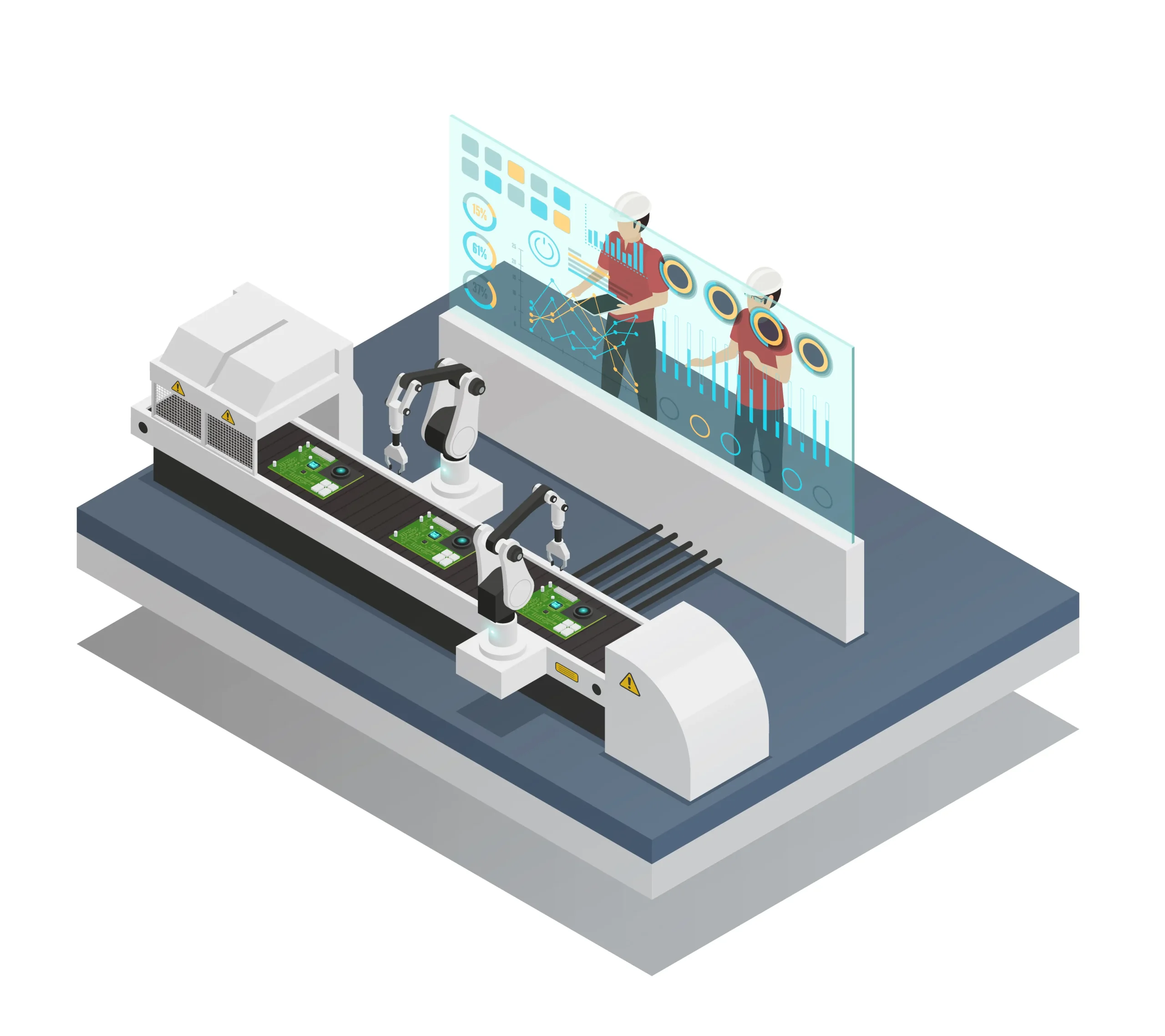
The cost of failing to detect faulty valve placement early increases exponentially. A faulty-valved can passing to the next stage leads to unnecessary raw material waste. Furthermore, such fundamental errors slow down the production line and cause unexpected stoppages, reducing overall equipment efficiency. The missing or incorrect position of the valve carries the potential to cause machine failures and serious damage, especially in sealing and gas filling stations.