Is a Single Quality Standard Possible for Diverse Aerosol Technologies?
Yes, a single high-level quality standard is possible and mandatory. The essential outputs of the product, such as safety, net weight, and consistent spray performance, must be independent of the filling technology used. Aerosol consistency challenges arise from each technology (Conventional, BOV, etc.) carrying its own specific process risks. However, the ultimate goals of stability and preserving the promised consumer value are fixed. Therefore, while the general quality objective remains the same, specific aerosol technologies control mechanisms must be established for each technology’s risk to maintain quality across systems.
Why is Liquid Dose Control a Universal Requirement for Maintaining Quality Across Systems?
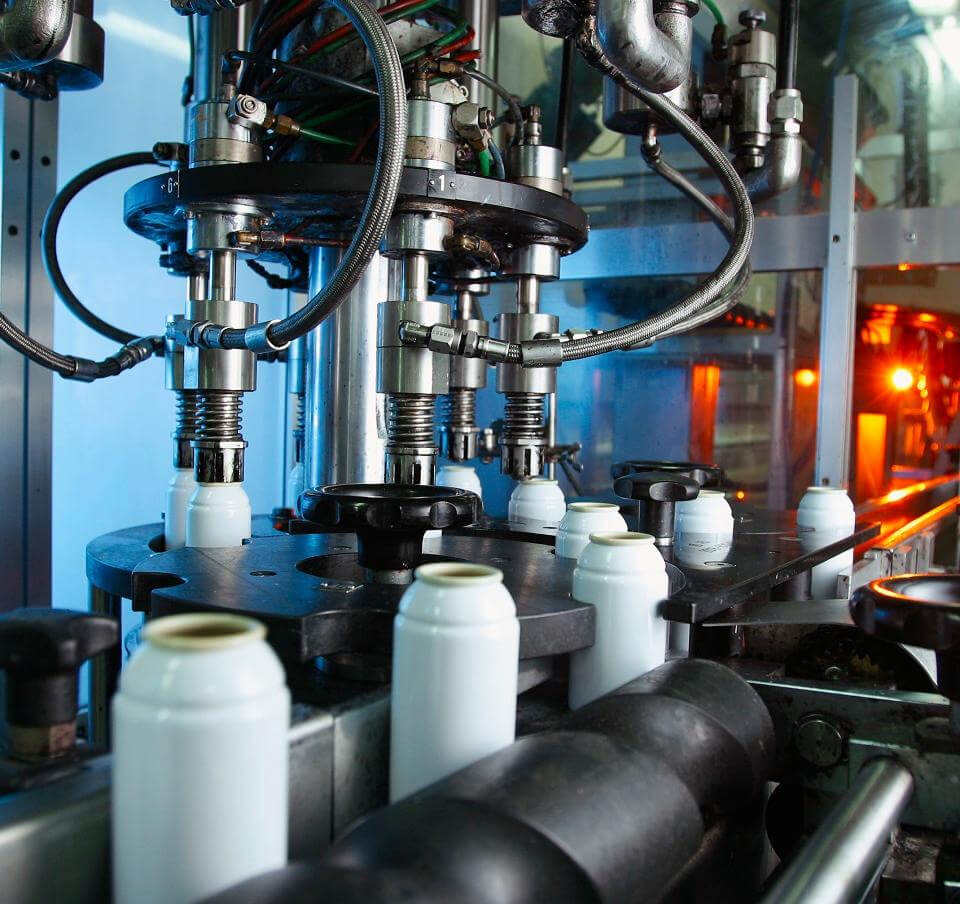
Liquid dose control is a universal requirement for maintaining quality across systems, regardless of the production line type (conventional or BOV). This is because the product content and the ratio of the basic formulation placed in the can, as well as the net quantity declared on the label, are directly determined at this step.
This control is vital; for in the Conventional system, incorrect liquid dosage directly disrupts the product/propellant ratio, negatively affecting the product’s spray pattern and use duration. In the BOV system, failure to secure the correct volume inside the bag compromises the pressure amount applied by the propellant (air/nitrogen) and thus, net weight consistency. In both scenarios, accurate liquid filling is the first and most critical step in achieving the final product’s stability and reliability goals.
Why is Valve Placement a More Critical Control Point for BOV than Conventional?
Valve placement is of vital importance in terms of bag-on-valve standards. Considering the complex integrity of the valve and bag structure, while the Conventional system valve merely seals the can’s contents from the outside environment, the BOV valve both seals the bag to the can and ensures the product remains isolated within the bag. The smallest flaw in the valve or crimping point allows propellant gas to leak into the bag, leading to product contamination and the complete nullification of the core benefit of the BOV system. Therefore, within the scope of aerosol technologies control, BOV valve placement is much more critical than the conventional system.
Do Gas Filling and Weight Tolerances Operate the Same Way in Both Formats?
No, the purposes of gas filling and weight tolerances are different:
| Technology | Gas Role & Filling Method | Weight Tolerance Objective |
|---|---|---|
| Conventional System | Gas (LPG, DME, etc.) is filled chemically mixed with the liquid to provide propulsive force. | Guarantees the accuracy of the mixing ratio. |
| BOV System | Gas (Nitrogen, air) is filled outside the bag, isolated from the product. Gas applies pressure to the bag. | Controls that the correct pressure level is secured and bag integrity is maintained. |
If you are planning to produce for the food industry, remember that BOV technology is often preferred due to its hygienic advantages. Check out our guide on special requirements to be met for filling food grade aerosols for more details.