Is High-Speed Filling Alone Sufficient for Consistent Output?
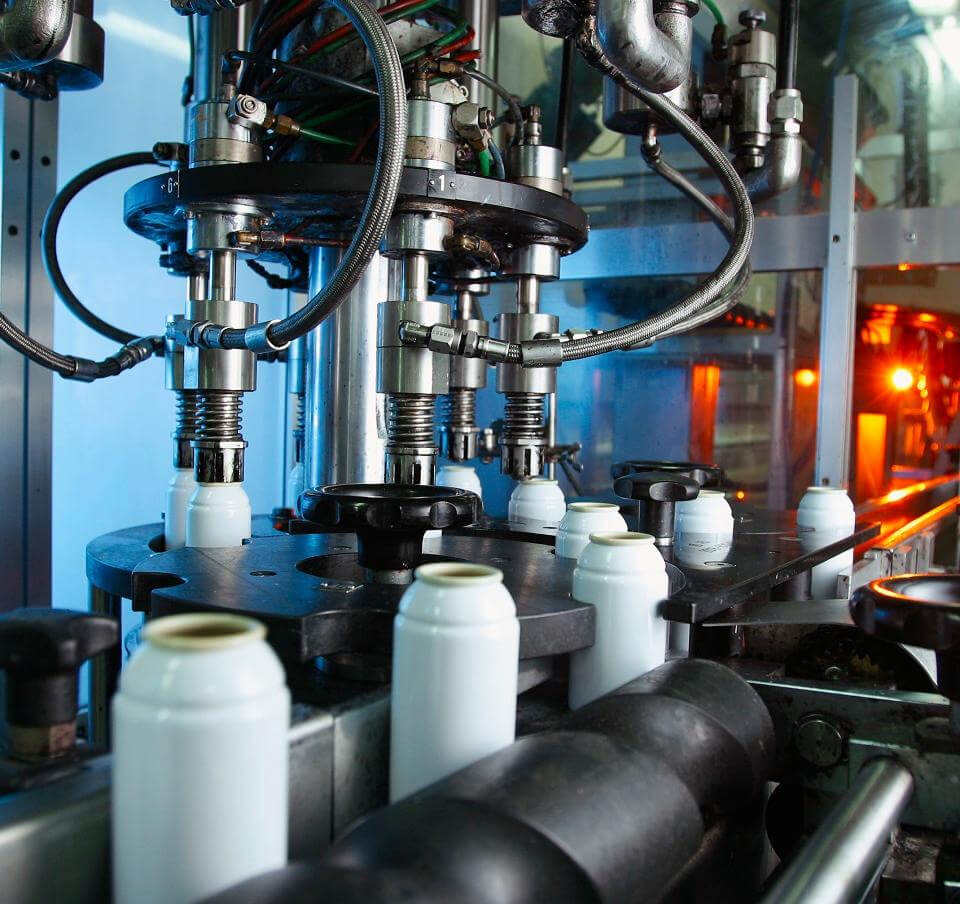
Absolutely not. The high-performance machine secret is not just speed, but the perfect balance of speed and precision. While speed is critical for efficiency, when the production line precision impact is ignored, increased speed results in an increased error rate, meaning high waste. Modern aerosol filling reliability depends not on how many cans the machine produces per minute, but on how closely 100% of those cans adhere to specifications. Therefore, in production, not only speed but also controlled and precise operation is essential. An uncontrolled, high-speed line leads to long-term brand reputation damage and serious financial losses.
How Do Automated Rejection Systems Prevent Production Waste?
Automated rejection systems are the most important mechanism that maximizes the production line precision impact. These systems instantly detect and remove the faulty product from the line before it proceeds to the next expensive stage (e.g., gas filling or packaging), where costs multiply. This sorting process prevents major losses in three key phases: Liquid Phase Rejection, the cheapest stage, only prevents the waste of concentrate and the can; Valve Phase Rejection prevents machine damage and dangerous leaks before gas filling; and the most critical, Final Control Rejection, ensures that not only the faulty product but all expensive raw materials (liquid, valve, gas) filled inside it are salvaged at the last moment before packaging costs are added. This approach radically reduces waste rates in aerosol machine performance analysis.
What Does Integrating the Control Structure into the Process Flow Mean for Efficiency?
Integrating the control structure as a natural part of the process rather than a separate final inspection step is the foundation of modern aerosol filling reliability. This integration means Instant Intervention (Real-Time Correction), where the machine either separates the faulty product from the line or stops the line immediately upon error detection. Uninterrupted Efficiency is also ensured, as the control devices do not interrupt the line’s nominal speed. Finally, transferring data from every control point (liquid, valve, gas) to the center allows for continuous feeding of aerosol machine performance analysis, enabling Data-Driven Improvement. This fully integrated system is the technological equivalent of the high-performance machine secret: maintaining quality without sacrificing speed.